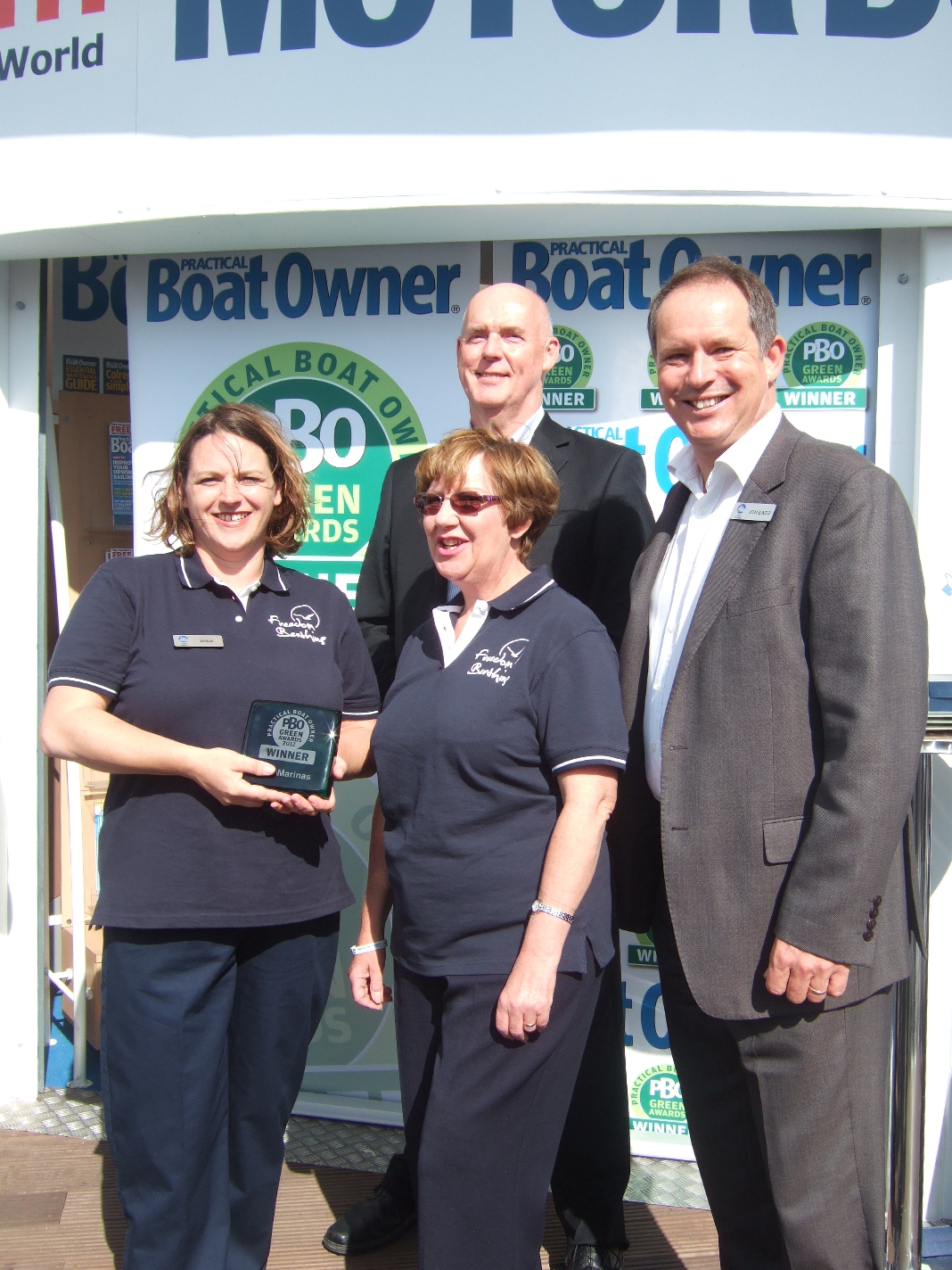
Europe’s largest marina operator MDL Marinas has had an important win at this year’s Practical Boat Owner Green Awards. The marina network received the award for ‘Best Marine Service and Support’ in recognition of its efforts in reducing the environmental impact of its 21 marinas and boatyards worldwide.
MDL Marinas recieves PBO Green Award
MDL Marinas worked hard to implement a range of measures to promote marine-industry sustainability and achieve its outstanding eco-credentials. MDL now purchases 100% renewable energy, has installed solar technology, recycles 100% of its hazardous waste, and has introduced water saving measures across all of its locations in Europe.
Dean Smith, Marketing Director at MDL Marinas, commented: “We are delighted to have won this prestigious award and to be recognised for our efforts in reducing our environmental impact.”
Anna Wyse, MDL’s dedicated Environmental Policy Manager, commented: “The beautiful locations of our marinas deserve special consideration if we are to enjoy them in years to come and we have invested considerable time and energy into putting our environmental practices in place. MDL recognises that virtually all the activities of the company, and that of our customers and tenants, have some impact on the environment.
Adrian Gilson receives The Green Blue award from The Crown Estate's Chief Executive Alison Nimmo
“All of MDL’s marinas are subject to environmental audits on a periodic basis and the company continues to invest in resources to educate berth holders and staff.”
MDL received its Green Award at this year’s PSP Southampton Boat Show. The PBO Green Award for ‘Best Marine Service and Support’ was presented to Anna Wyse, and to MDL’s Managing Director, Eamonn Feeney and Chief Operating Officer, Jon Eads by Sarah Norbury, Editor of Practical Boat Owner.
In addition to this, Hythe Marina Village, MDL’s Southampton based marina, has also won a sustainability award from The Green Blue, for going above and beyond in its support of the environmental awareness campaign for the boating community. The MDL marina distributed free packs of environmental goodies to its berth holders encouraging their boaters to make quick practical changes onboard.
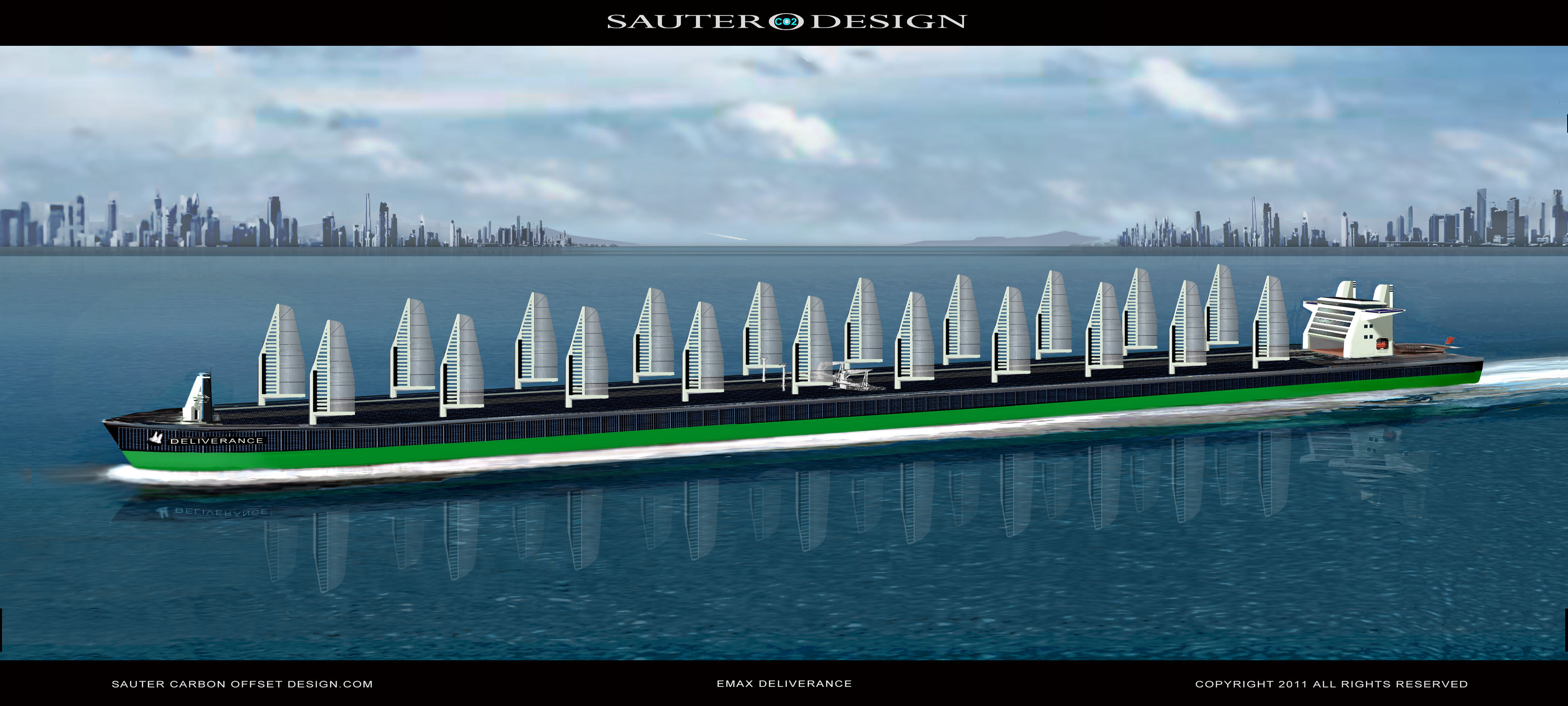
Sauter Carbon Offset Design (SCOD) have presented their latest Green yacht project Deliverance, a DynaWing Solar Hybrid Supertanker that qualifies as the Largest and by far the Greenest Post Panamax Vessel to be built and as such the most Economical form of Crude Oil Transport to and from any part of the Globe.
Emax Deliverence VLCC DynaWing Post Panamax Supertanker
To reduce fuel consumption and GHG emissions by up to 75% this superior fluid dynamic Emax Supertanker Deliverance obtains half of her power from LNG and the other half from the latest advances in Solar and Wind Power technology.
The Emax Deliverance yacht is a 2 million barrel 330,000DWT Supertanker designed specifically for the newly enlarged locks of the Panama Canal which will accommodate vessels that have a maximum length of 1,395 ft (426m), a beam of 176 ft (54m) and a draft 59 ft (18m).
Being longer, narrower and having less draft than previous 2 million barrel VLCC’s, the hull of the yacht Deliverance produces less drag which in conjunction with twin CRP Hybrid Propulsion Pods reduces fuel consumption and GHG emissions by 35%. An additional 20 to 30% reduction is achieved with her 500,000 sq. meter DynaWing boom furling sails and another 15 to 20% reduction by her Solbian Solar power generating array. The realization of a 75% reduction is made possible by Mitsubishi’s Bubble Hull and Wartsila’s Coded LNG Hybrid power system.
Generally speaking the total Diesel Engine Power requirement for a conventional 330,000DWT Supertanker is 30MWs
By comparison the total Power requirement for the advanced 330,000DWT Emax Solar Hybrid Supertanker is 20MWs; 10MWs from LNG, 10MWs from the Sun and Wind
Emax Deliverance DynaWing Supertanker
LNG power source.
Wartsila LLC Duel Fuel Hybrid Power equal to 10MWs
Key benefits of Wärtsilä DF engines and LLC (Low Loss Concept)
High efficiency
Low exhaust gas emissions
Fuel flexibility
Fuel economy over the entire engine operating range
Sustainable and renewable Sun and Wind power sources
DynaWing sails 4 to 8MWs.
The DynaWing is a hybrid Wingmast and mainsail combination that delivers a dynamic range of power options from a full array of sails with Wingsail emulated efficiency, to a gradual reduction of all sails culminating in Wingmast reefing.
SunPower Solbian Solar Panels up to 4MWs.
Solbian marine solar panels have the highest rated efficiency and come with a 25 year warrantee. The energy harnessed from the Sun is stored in a 5MW Lithium ion UPS to allow for Zero Carbon docking and power for all hotel services .
As a major Certified Carbon Offset Project, the Carbon Offset or reduction in GHG emissions achieved by Deliverance is 110,000 tons of CO2 per year or roughly a reduction 3 million tons of CO2 over the Supertankers 25 year service life.
Richard Sauter commented’” A Solar Hybrid Post Panamax VLCC presents us with a major win win scenario, for apart from safeguarding the planet, oil companies can look forward to savings of up to 60 million dollars a year on the purchase of fuel, which at today’s prices not only pays for the Emax Supertanker in under 4 years, but increases their earnings over her service life by over 1.5 billion US dollars.
The Cost of Deliverance yacht is approximately 15% above the cost of a conventional 330,000DWT Supertanker.
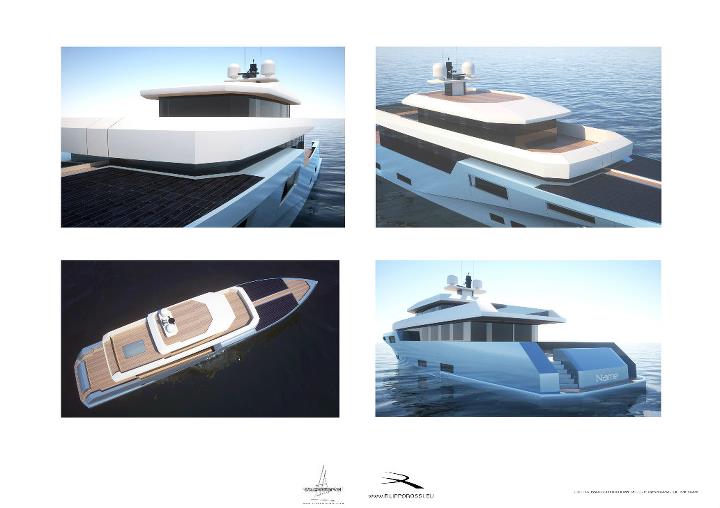
The GANTO motor yacht Project is a 40m EcoYacht designed to have the lowest levels of environmental impact possible. The motor yacht GANTO Project will utilise advanced building materials with maximized recycling criteria, along with fluid dynamics studies and an environmentally sound management of the vessel, making this project the first of a new generation of unique and environmentally friendly vessels. The GANTO Project offers a technical and scientific platform to be used for different types of yachts, both sail and motor, from about 30 meters in length and above.
Motor yacht Project Ganto The First Electric Superyacht - by Floating life
Equipped with all the “green” technologies known today, which means not only highly efficient rechargeable batteries, the yacht is also equipped with photovoltaic panels, wind generators, shaft generators, fuel cells, energy consumption monitoring and energy recovery, LED lighting, and the creation of environments with “home climate” technologies: a vessel that exceeds market expectations in terms of performance and energy consumption and reflects the values of respect for the environment and beauty, both in life and while sailing, ultimately ensuring well-being understood in its broadest sense, all in the most exclusive luxury.
Motor yacht Project Ganto The First Electric Superyacht - by Floating life
Motor yacht Project Ganto The First Electric Superyacht - by Floating life (
Naval architecture and engineering for the GANTO Project was conceived by the Roberto Starkel studio in Trieste, and interior design and exterior styling is by Filippo Rossi. The propulsion technology is based on systems already employed by some cruise ships whereby a small diesel engine provides the initial power to turn over the electric motors. The full-electric main motors ensure that both vibrations and emissions are reduced to a minimum.
Starkel paid close attention to the hull’s hydrodynamic characteristics to provide an efficient, slick hull without penalising the volume of space onboard or the stability by reducing maximum beam. It is also of utmost importance to limit the weight of the yacht’s structure, systems and interiors and thus overall displacement, the highest priority of this project.
Motor yacht Project Ganto The First Electric Superyacht - by Floating life
The power systems are also designed to be modular so that upgrades can be applied as technology develops, including the use of fuel cells, without major structural alterations. Solar panels on the fly deck and aft main deck are designed to supplement power requirements.
Richard Sauter’s Paper on Ocean Empire LSV by Sauter Carbon Offset Design – The World’s First Self Sufficient Zero Carbon Superyacht presented at RINA’s International Super and Megayacht Conference points to the Post Carbon Superyacht as the Wave of the Future.
Ocean Empire LSV by Sauter Carbon Offset Design - The World’s First Self Sufficient Zero Carbon Superyacht
The RINA Conference which is sponsored by ABS and Dessault Systemes was held at the Galata Museum at the port of Genoa last week. Papers were presented by universities, designers and key maritime organizations. Discussions were focused on the environmental and marketing trends that are affecting the design, construction and operation of Superyachts. All the papers with Power Point presentations will be published and made available by RINA at a future date.
Richard Sauter, head of design at Sauter Carbon Offset Design commented, “The Ocean Empire Life Support Superyacht directs naval architects and the shipbuilding industry to the 10 basic steps that will place the Post Carbon Superyacht at the forefront of mankind’s inevitable Post Carbon Future”
These steps apply to Every type of vessel, Multi and Monohulls alike.
Minimum performance standard,
Maximum Speed 22 Knots.
Cruising Speed 18 Knots.
Carbon Neutral Cruising Range at 18 knots; 5 to 10,000 Nautical miles.
Unlimited Zero Carbon Cruising Range at an average Speed of 14 knots.
Richard Sauter’s RINA Power Point Presentation concludes that the only form of hi-performance Post Carbon transportation that is truly possible, is a Post Carbon Superyacht that harnesses every bit of the collective maritime resources derived from the sun, wind, waves and currents at sea.”
Richard Sauter points to the Post Carbon Superyacht Future at RINA’s International Super and Megayacht Conference
IMO Port of All Nations Vessel from the RINA Power Point Presentation.
Power Generation from this vessel’s Turbine Props when moored in front of the UN on the East River is up to 300MWhs per year.
Internationally renowned Environmental Organisations will be heading to the Weymouth and Portland National Sailing Academy (WPNSA) on May 26th this month to partake in a ground-breaking environmentally based conference. The emphasis will be placed on ‘thinking globally – acting locally’ with the combined aim of championing clean and sustainable seas and oceans.
The delegates will have access to speakers from the Plastiki Expedition (a boat constructed completely from plastic bottles completing a global voyage), the Green Blue (joint Royal Yachting Association and British Marine Federation environmental programme), the 2012 Sailing Venue, Race for Change (inspiring positive action on climate change), the Blue Marine Foundation (UK charity created to fix the largest solvable problem on the planet – the crisis in the oceans) and Gocycle (Karbon Kinetic’s electric two wheeler).
The conference has also attracted industry experts on sustainability. Jonathon Porritt, Director of Forum for the Future, leaders in advising businesses on sustainability, highlights the importance of this upcoming event.
‘Our knowledge of what’s going on in our seas and oceans is still superficial and woefully incomplete. But we already know more than enough to understand how poorly we’re doing in managing our marine environment – all around the world. It is so important not only that we share that knowledge, but that we encourage each other to act on the basis of that knowledge – more effectively and much more urgently. That is what this conference at the 2012 sailing venue is all about’.
The WPNSA already has a proven track record of environmental commitment being the first sailing venue to have been awarded the British Standard for Sustainable Event Management (BS 8901) and is a winner of the much coveted Sport Industry Award for Environmental Concern in Sport.
John Tweed, Chief Executive of the Weymouth and Portland National Sailing Academy, is a strong advocate of marine stewardship through working with SSE Energy.
‘During the development phase and now throughout events the Academy has put environmental best practice at the forefront of all activity as an international venue setting quality green examples. We have photovoltaic cells which harness solar power generating 20% of the WPNSA’s energy and we have already saved over 100 tonnes of carbon dioxide.’
Activity will run from 10:00 – 16:00 with a mix of interactive presentations, networking breaks as well as lunch, full conference programme attached.
The 208 ft, / 63.4 meter Expedition motor yacht by Delta Marine known under the project name 200040 is currently in build with delivery scheduled during 2011. The 208 ft, / 63.4 meter Expedition motor yacht project 200040 was the first hull to be built at the new metal hull facility at Delta North. She is a steel and composite expedition yacht with diesel electric propulsion and dynamic positioning. Delta designed the yacht to have no geographic limitations and to meet the latest in environmental standards, including a comprehensive waste management plan, responding to the trend for more self-sufficiency and ‘greener’ superyachts.
208' / 63.4 meter Expedition motor yacht by Delta Marine - PROJECT 200040
The 208 ft, / 63.4 meter superyacht features naval architecture and exterior styling by Delta Marine. The interior was custom designed for the owner. The yacht will be able to accommodate 10-12 guests as well as 22 crew.
At 63.40-meters long, with a beam of 42’ 7″ / 13.0 meter she is very volumous. Her draft at half load is 12’ 8” / 3.9 meters. With her diesel-electric power, she will be able to attain an estimated maximum speed of 16.6 knots with a cruising speed of 15 knots. At a lower more economical speed of 12 knots she will have a range of and impressive 7,000 nautical miles
The 2011 63.4m Delta Marine motor yacht has helicopter landing capabilities and is currently designed to include a recessed helicopter garage. With an ice-class designation, this yacht is suitable for luxury entertaining and personal exploration anywhere in the world, or even remote oceanographic research.
The Delta superyacht is scheduled for delivery in 2011.
Delta PROJECT 200040 LOA: 208′ / 63.4 meters
LWL: 184’ 7” / 57.1 meters
Beam: 42’ 7″ / 13.0 meters
Draft: 12’ 8” / 3.9 meters (half load)
Displacement: 1550 long tons (half load)
Propulsion and Generators: Siemens Diesel Electric with Dynamic Positioning
(2) Cat 3512 Propulsion Generators 1700 ekW
(3) Cat C9 Ship’s Service Generators 250 ekW
Max. Speed: 16.6 knots
Cruise Speed: 15 knots
Range: 7,000 nautical miles @ 12 knots
Fuel capacity: 51,300 US gallons
Fresh Water Capacity: 12,300 US gallons
Stabilizers: Quantum QC-2200XT Zero Speed
Bow Thruster: Schottel SST 170TLK Bow Thruster 250 kW
Air-Conditioning: NR Koeling
Material: Steel / Composite
Owner and Guests: 12
Crew: 22
Naval Architecture: Delta Design Group
Exterior styling: Delta Design Group
Builder / Year: Delta / 2011
In 2009, Delta, already a world-leader in the yacht building industry, combined its expertise in composite construction with steel and aluminum hull fabrication to open a new yard dedicated to metal hull construction. The Delta North facility is located just down river from Delta’s 25-acre site and consists of a high-bay building roughly 400’ long x 100’ wide. This fully enclosed facility allows Delta to build metal hulls over 100-meters in length. The Delta North site had been previously used for building ferries and tugs, and had the high overheads and rugged utility infrastructure needed for large scale commercial shipbuilding. Delta took this facility and renovated it into a modern, fully equipped shipyard. Delta installed new rolling doors, security features, electrical and mechanical systems including two 25-ton overhead gantry cranes, and the latest equipment and tooling for metal fabrication. In addition to the investment in the facility and equipment, Delta compiled a highly experienced metal vessel construction team that represents the best in their field. This team includes skilled fabricators and welders, experienced production managers, and key additional engineers for the Delta Design Group.
The quality of work, the experience of the work force and the dedication to building the best yachts in the world are synonymous with the Delta name. Delta North complements this tradition. As each metal hull is completed, it will be transported to Delta’s main site by barge, a distance of only three miles. All outfitting and finish work including electrical and mechanical installation, interior fabrication and painting applications will be completed at the main Delta facility by the skilled artisans and craftsman that have been a part of Delta for decades.
Although Delta is best known for its all composite construction, in the last several years it has expanded its efforts in building larger metal yachts. These projects include the 240-foot, motor yacht LAUREL , with a steel hull. With the new facility, Delta is positioned to lead the industry in building metal hulls with entirely composite superstructures. “This allows us to be more innovative, less restricted by history and find unconventional solutions, lightweight, creative forms that are more progressive in design and utility,” says Jay Miner, Delta’s Chief Naval Architect.
Companies in the steel and concrete industries have already developed life cycle assessment (LCA) and life cycle inventory (LCI) data collections to respond to the growing demand in all market sectors to produce proof that their companies are “green.” Where does this leave the composites industry? The American Composites Manufacturers Association (ACMA) – the leader in green composites issues – will address critical issues like this at the first Green Composites Workshop, June 21-22, 2011, in Rosemont, Ill.
Market share and contracts will be lost if members of the composites industry aren’t aware of the trends in competing markets and why sustainability and being green are important to keeping the competitive edge. This workshop will help explain why conducting an LCA is essential to competing in the current market and will provide critical background knowledge to help distinguish between LCI and LCA and understand why each is important to calculate the environmental impact of a product.
Need-to-know questions will be answered during the workshop, including:
Which consumers are interested in green composites?
What are the strongest green trends in each market segment?
Why are LCI and LCA so important to the composites industry?
The Green Composites Workshop will feature case histories from leaders in green composites who will share their first-hand experience, panel discussions and even tips on marketing a “green” message to customers. Ample time will also be provided for networking with other leaders who are already working in this burgeoning market, as well as those who want to position themselves for the future.
Representing over 3,000 companies, the American Composites Manufacturers Association (ACMA) is the world’s largest trade group representing the composites industry. ACMA publishes a quarterly magazine, Composites Manufacturing; offers a universal, comprehensive training program for fabricators – Certified Composites Technician – and provides strong, proactive leadership in technical, government and regulatory affairs. In addition, ACMA hosts COMPOSITES, the largest composites tradeshow in North America with supplier and manufacturer representatives from all market segments.
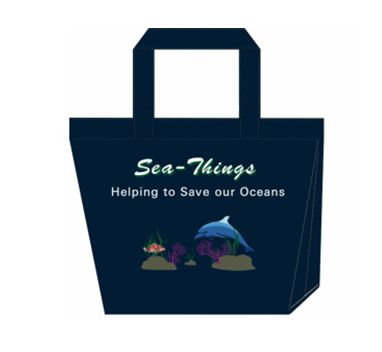
Peter Franklin, Managing Editor of The Islander, a well-established nautical magazine in The Balearic Islands of Spain has announced the formation of a subsidiary company with a green mission. Sea-Things LLP is offering a wide range of stylish, customised, eco-friendly, multi-use carrying bags for the international yachting market.
Sea-Things LLP introduce GreenBags product range for yachting use
The world’s oceans are under serious threat from plastic bags. So much so, that China has stopped giving them away, prompting the USA and Australia to move towards a total ban. More recently, Italy’s ban on single-use plastic bags took effect on January 1st 2011.This couldn’t come too soon, considering that Italians use about 20 billion plastic bags per year. According to WWF biologist Eva Alessi, each Italian uses 400 plastic bags per year, and Italy is responsible for 25 percent of all plastic bag production in Europe. Environmentalists are very pleased with the ban because plastic bags are so incredibly damaging to the environment, degrading extremely slowly and taking decades to decompose. They are also potentially harmful to marine life and other animals.
In the meantime, every use of a reusable bag does something to protect the world’s seas and their inhabitants. Human beings use 1 million plastic bags every minute of the day, and its said that every plastic receptacle ever made is still in existence, many of them degrading slowly and toxically into our marine environment!
Almost everyone in yachting is aware of this problem, and the “Plastic Soup” story about the massive North Pacific gyre garbage slick has been repeated across the web, in various publications, and by all the leading environmental lobbying groups. Also the “The Plastiki” project where a boat built from 12,500 plastic bottles was sailed across the Pacific was a great public relations triumph.
However, in fairness, as far as available statistics can tell, it seems that less than 2% of this problem is caused by ship or yacht generated waste. “This proves that users of the sea, either for pleasure or business, generally feel responsible for its wellbeing, and would therefore be enthusiastic to do more to help if they could,” said Peter Franklin.
“The mission of Sea-Things is to help reduce the unnecessary volumes of thin single use plastic bags that are causing untold damage to our seas and their inhabitants” Peter said. “In order to do this we offering something special when it comes to the design and promotional possibilities within our GreenBags product range. We have the widest range of combinations available when it comes to bag styles, sizes, colours, logos, graphics and all the elements that make a customised product for a particular client’s marketing needs.”
“We are under the same management as a reputable yachting magazine, which has served the English speaking yachting and water sports market in The Balearics for 14 years. As a free issue magazine it totally relies on advertising revenues for its income. In this capacity the company has helped many of the best known marine service companies in the business to establish their names, and their marketing presence in one of the world’s premier yachting locations.”
“Our management and our design studio are passionate about the sea and its users, our editorial team writes regularly for publications such as The Yacht Report, Motor Boat & Yachting, and Superyacht Business, and produces press releases for The Balearic Nautical Business Association. We are yachtsmen first, and yachting media & promotional goods suppliers as a result of our passion for the sea!”
“As such, we undertake any project by first listening to, and understanding the customer’s market and their promotional needs. We then have the resources, the creative skills, and the enthusiasm to work with them to help realise their vision. In the case of the GreenBags, this is further enabled by having such a broad range of proven products from several sources around the world, which we can apply our design and print applications to.”
“We also became intensely passionate about saving the world’s oceans from the horrific prospect of “choking by plastic”, well before we decided to produce and market some alternative ways of carrying things. We donate 2% of all our income to Greenpeace for establishing marine reserves in the world’s oceans. So, that passion still drives us today, and is another element of targeted enthusiasm that our customers can benefit from, apart from the important fact that we only solicit business from the yachting, marine leisure and water sports market sectors.“
“In a nutshell, we offer a carrying bag design / supply service that is specialised, customised and uniquely market focused for those that make their living from, and enjoy the sea…. That’s why we call it Sea-Things”
Peter concluded; “There is a lot more to find out about why we are doing this and what we can offer as part of the solution, by visiting our brand new website. This also features a lot of educational information about how we can help the survival of the seas in a special section titled: ‘Inspiration and Hope.’ ”
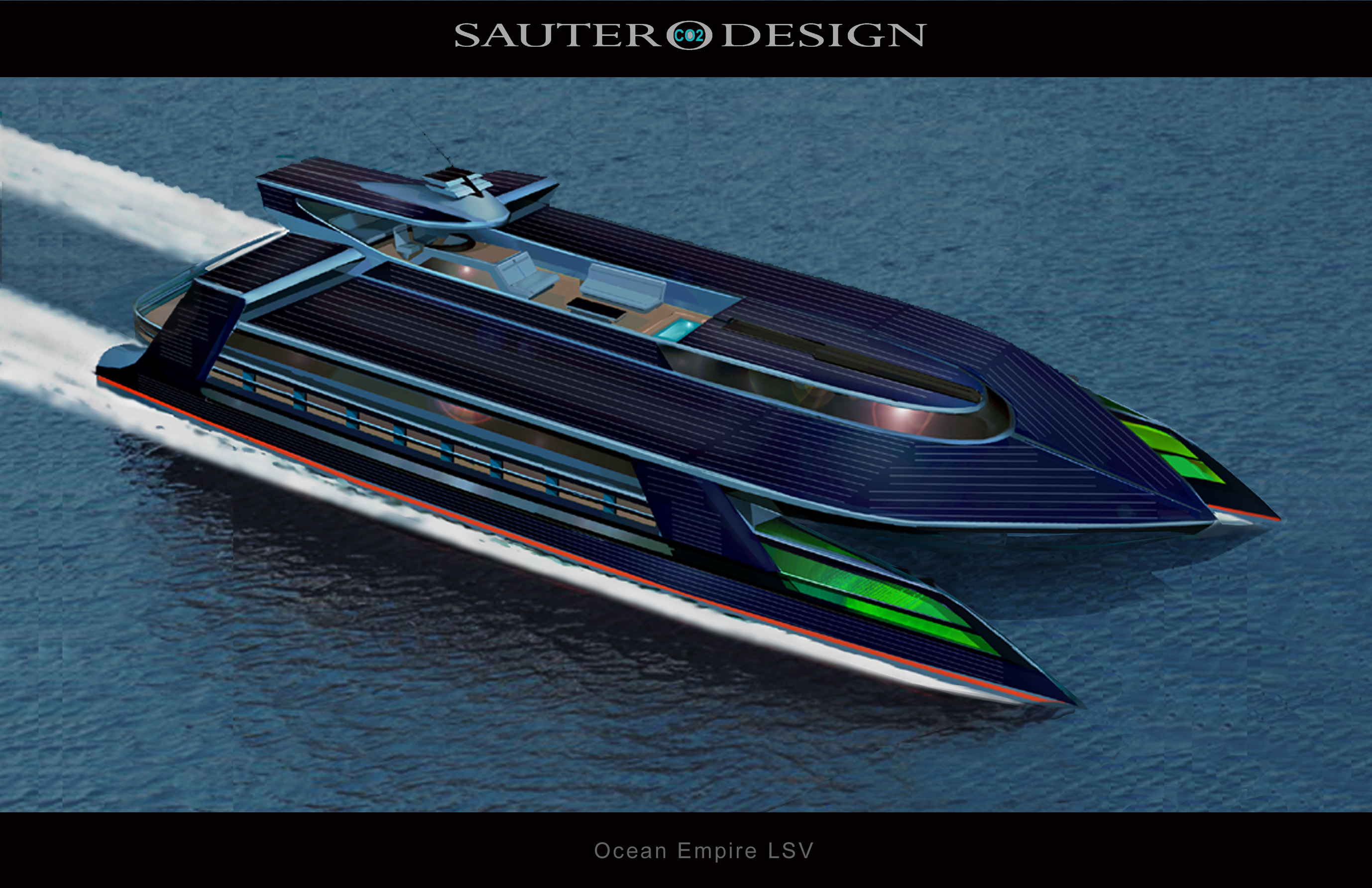
The Ocean Empire LSV (life support vessel) is a 44m Solar Hybrid Superyacht with 2 Hydroponic farms and fishing facilities to harvest the sea. Her solar powered propulsion systems and all the Hotel amenities of a luxury global voyager are supplied by harnessing 3 major sources of sustainable of energy.
Ocean Empire LSV by Sauter Carbon Offset Design - The World’s First Self Sufficient Zero Carbon Superyacht
The first and foremost source of energy is from the Sun which powers Solar Cells (covering the entire surface of the vessel) while at the same time illuminating 2 Hydroponic farms.
The second source is energy from the Wind which powers an auxiliary automated SkySail that drives the Ocean Empire to 18+knots while charging her GM ESS2 batteries through power sailing KER.
The third source is energy from Waves captured through Motion Damping Regeneration (MDR). A new form of ATMD (Adjustable Tuned Mass Damper) developed in collaboration with Maurer Sohnes Gmbh
Ocean Empire LSV by Sauter Carbon Offset Design - The World’s First Self Sufficient Zero Carbon Superyacht
The MDR system is basically an ATMD utilized in skyscrapers such as Taipei 101 to reduce their swaying motion. In this application 16 tons of batteries are the Mass while linear generators produce up to 50 kws of electricity as they dampen the motion of the vessel.
Richard Sauter head of design commented “The Ocean Empire life support Superyacht liberates the Superyacht community from its strict dependence on unsustainable resources by harnessing the renewable collective power ever present in the Earths Biosphere”.
Ocean Empire LSV by Sauter Carbon Offset Design
The Ocean Empire LSV is a state of the art Superyacht catamaran. As such her Green Tech innovations are able to optimize what is easily the most dynamic form of ocean going platform. Her Daimler Turbo Compound BueTec engine is the most advanced EPA Diesel ever built. Her Sunpower Solar Cells are the most efficient to date as are her Voith Surface Drives.
Employing existing OEM products and costing little more than her conventional Superyacht counterparts. Ocean Empire’s Solar Hybrid design offers every available Superyacht luxury within her full range of operation which extends from a 50% reduction in fuel consumption and CO2 emissions to Ultra Green Carbon Neutral and Zero Carbon cruising.
As a Charter, a Plugged in Ocean Empire LSV is capable of feeding 360+Mwh’s of electricity to the grid. Enough energy to make up to 12,000 nautical miles of Chartered Carbon Neutral voyages every year
Existing OEM technology present in the Ocean Empire LSV;
• Daimler Turbo Compound DD16 Electric Power Generation
• SkySail Automated Traction Kite
• SunPower Solar Cells
• GM Allison Electronic Controller (KER) (Kinetic energy regeneration)
• Maurer Sohnes Gmbh Motion Damping Regeneration. (MDR)
• Voith Turbo Advanced Propulsion Surface Drives
• Carbon Composite Wave Piercing Hi-efficiency displacement hulls
• Advanced Aerodynamic Radar Canopy with PV Wing Spoilers
• Energy Efficient Equipment, AC & Refrigeration with Waste Heat Recovery
• Plug-in Computerized Energy Management, Maintenance & Guidance.
• GM Allison ESS2 Battery Storage UPS rated at 2,000Kwh.
Ocean Empire LSV Specifications:
Length 44m
Beam 15.5m
Draft 0.8m
Guests 10
Crew 8
Weight <85tons
2 Hydroponic farms 30sq.m
SkySail 200kw
SunPower solar cells 70kw
Maure Sohnes MDR 50kw
Daimler DD16 Diesel Electric power generation 350kw
Siemens AC induction motors 300kw
Voith propulsion surface drives 1.5m
Fuel: Diesel/GM ESS2 batteries 20t/2,000kwh
Maximum speed 18+knts
Cruising speed 12+knts
Hybrid power sailing cruising range at 18knts 3,500+nm
Zero Carbon power sailing range at 14 knots average Unlimited
Carbon Neutral power sailing range <12,000+nm
Zero carbon motoring range at 10knts average Unlimited
The Oceana Organisation was founded in 2001 and it is the largest international organization which is focused solely on ocean conservation, protecting marine ecosystems and endangered species.
Oceana has offices in Europe, North America, Central America and South America which work together on a limited number of strategic, directed campaigns to achieve measurable outcomes that will help return our oceans to former levels of abundance. The Oceana Ocean Organisation believes in the importance of science in identifying problems and solutions and scientists work closely with our teams of economists, lawyers and advocates to achieve tangible results for the oceans.
Oceana, a Planet Green NGO partner, is an organization that is at the forefront of ocean and ocean-life conservation. They have set forth campaigns to stop dirty fishing, destructive trawling, to protect sharks, sea turtles and people from mercury-contaminated seafood. They also work towards ending subsidized fishing and have advocated for reduced greenhouse emissions.
Oceans cover the majority of the earth’s surface, but we rarely ever visit them. They are the ultimate fly-over country. Oceans, however, contain an abundance of life, including phytoplankton which generate most of the oxygen that we breathe. So, you see, we kind of need oceans.
Oceana has over 300,000 members from all over the world, and you can become a member by signing up to be a Wavemaker. But you don’t have to join to support the ocean. You can donate or you can use their pocket seafood guide to distinguish what fish are endangered and what fish are OK to eat. Plus, they have a list of wonderful tips that can teach you how to live in sync with your planet’s oceans.
The Problem
The oceans are vast, but they are not immune to human influence. We have already altered or destroyed many marine ecosystems and driven million-year-old species to the brink of extinction. According to a study published in Science, less than 4 percent of the oceans remain unaffected by human activity.
We are taking too many fish out of the water.
In the last few decades, commercial fishing has evolved into a high-tech, heavily subsidized industry that uses cutting-edge electronics, computer systems, huge amounts of fuel and miles of gear to find and catch more fish in remote places formerly out of bounds to fishermen.
Amber Valletta
The U.N. Food and Agriculture Organization (FAO) says that at least 75 percent of seafood species are overexploited, fully exploited or recovering from depletion and need more effective and precautionary management.
We are putting too many pollutants in the water.
Mercury is a toxic pollutant emitted by land-based industrial plants. This mercury finds its way back into our food chain via our seafood with potentially serious consequences. According to the U.S. Environmental Protection Agency (EPA), one in ten American women has enough mercury in her blood to pose a risk of neurological damage to her developing baby.
Meanwhile, offshore fish farming, rather than taking the pressure off wild seafood species, results in increased overfishing to feed the farmed fish as well as the despoiling of seafloor habitat. Concentrated fish waste dropped from the open-water pens blankets the ocean bottom, snuffing out oxygen and life.
Last and perhaps most alarming, carbon dioxide is making our oceans warmer and more acidic . As a result, corals and other creatures at the base of the ocean food chains have trouble forming shells. Without a drastic reduction in carbon dioxide emissions, many of the world’s coral reefs will disappear and entire ocean ecosystems may collapse.
We are squandering the oceans’ resources.
Destructive fishing practices that include driftnets, longlines and bottom trawls are ruining ocean ecosystems by indiscriminately killing fish and other wildlife, including seabirds and marine mammals. Each year, more than 16 billion pounds of bycatch are thrown overboard thanks to wasteful fishing techniques.
Bottom trawls drag heavily weighted nets along the ocean floor in search of fish or crustaceans in a practice akin to clearcutting a forest in order to catch a rabbit. Centuries-old habitats such as coral gardens are destroyed in an instant by bottom trawls, pulverized into barren plains. Endangered sea turtles drown on longline hooks while sharks have their fins sliced from their bodies, which are then tossed overboard.
The Oceana Goal
Oceana was created to identify practical solutions and make them happen. The good news is that we can restore our oceans to their former glory. In many cases, laws governing fishing and pollution already exist – we simply need to enforce them and ensure that management and industry obey a few commonsense principles.
To most effectively protect the world’s oceans, Oceana is:
MARINE-FOCUSED: Oceana is 100 percent dedicated to fighting on behalf of oceans.
GLOBAL: Oceana has campaign offices in North America, South America, Central America and Europe.
CAMPAIGN-DRIVEN: Oceana channels their resources towards a limited number of strategic, directed campaigns to achieve measurable outcomes that will help return our oceans to former levels of abundance. Some of our campaigns are regional, others are international.
FACT-BASED: Oceana believe in the importance of science in identifying problems and solutions.